How Smaller Elderly Care Settings Improve Security, Guidance, and Support
Business Name: BeeHive Homes of Bosque Farms
Address: 1935 Bosque Farms Blvd, Bosque Farms, NM 87068
Phone: (505) 357-0505
BeeHive Homes of Bosque Farms
Beehive Homes of Bosque Farms assisted living care is ideal for those who value their independence but require help with some of the activities of daily living. Residents enjoy 24-hour support and caring assistance, private rooms and home-cooked meals. Assisted living should feel like home. Welcome home!
1935 Bosque Farms Blvd, Bosque Farms, NM 87068
Business Hours
Most households begin exploring senior care after a scare: a fall in the house, a medication mix‑up, a roaming occurrence, or a gradual decline that all of a sudden ends up being difficult to neglect. In those moments, the world of assisted living and elderly care can feel like an alphabet soup of alternatives and sales language. Buried in the information is one aspect that quietly shapes almost everything about a resident's life: the size of the care setting.
Having worked with older adults in both big neighborhoods and small residential homes, I have seen the difference that scale makes. Larger is not instantly even worse, and smaller is not automatically much better. However when the concern is safety, close supervision, and genuinely customized support, attentively run smaller settings have some structural benefits that are tough to replicate in a large building with a hundred residents.
This does not suggest everyone needs to hurry toward the tiniest home they can discover. It indicates households should comprehend how size affects care, what trade‑offs are involved, and how to inform a well run small environment from one that merely calls itself "cozy".
What "small" actually implies in elderly care
People use the term "small" to describe whatever from a 20‑apartment assisted living wing to a four‑bed residential care home. To comprehend the impact on safety and supervision, it assists to draw some rough lines.
In numerous regions, senior care settings fall into three broad groups:
- Large communities: usually 60 to 200 locals, often with numerous floors, dining rooms, and activity spaces.
- Mid sized centers: roughly 20 to 60 citizens, frequently a single building or wing, in some cases part of a bigger campus.
- Small residential settings: generally 3 to 16 residents, typically accredited as adult family homes, board‑and‑care, residential care homes, or similar names depending on the state or country.
The labels vary by jurisdiction, however the lived experience in a 10‑resident home is extremely different from that in a 120‑resident facility.
In a large assisted living neighborhood, the benefits generally fixate facilities: restaurant‑style dining, regular activities, on‑site therapy, transportation, and a sense of a "village" under one roof. The trade‑off is that personnel must cover a great deal of ground. A caregiver might be accountable for 12 to 18 citizens during a shift, often more, typically scattered across a long passage or multiple wings.
In a really small elderly care home, there may be 1 or 2 caretakers for 6 to 10 homeowners, all within line of sight or just a brief corridor away. There is generally one kitchen area, one primary living location, and bedrooms nestled closely around them. What you quit in shiny amenities, you gain in distance. That distance is what translates into safety and supervision.
Why physical scale shapes safety
When we speak about "security" in senior care, we are actually speaking about particular threats: falls, roaming and exit‑seeking, medication mistakes, choking and goal, postponed reaction in emergency situations, and undetected modifications in health status. Size influences each of these, often in subtle ways.
In a smaller setting, staff can actually hear more. A chair scraping on tile, a closet door opening, a resident muttering in the corridor at 3 a.m. These small sounds typically precede an occurrence. In a large building with long hallways, heavy fire doors, and mechanical noise, those early hints are simple to miss.
One afternoon in a 9‑bed home, a caregiver I dealt with paused mid‑conversation and said, "That is not her normal cough." She strolled down the hall, examined a resident, and found that she had started aspirating on a sip of water. Quick intervention, urgent call to the doctor, health center visit, and the resident recuperated. Would that have been captured as quickly in a dining room with 70 individuals talking over clattering dishes? Potentially, however less likely.
Smaller environments also reduce the distance in between danger and response. If a resident stands up unsteadily, a caretaker 3 actions away can provide an arm. In a big center, a resident may stroll an unexpected distance before anyone notices, especially if staffing ratios are extended at particular times of day.
None of this means big neighborhoods can not be safe. Many are, and they typically have more video cameras, nurse coverage, and security technology. But technology seldom makes up for the basic reality that in a smaller space, it is harder for a problem to remain concealed for long.
Staff visibility and supervision
Supervision is not just about watching people; it is about knowing them well enough to see modification. Smaller elderly care homes tend to create that familiarity by design.
In a 6 to 12 resident home, every caregiver generally knows:
- Each resident's normal walking speed and posture.
- How they like their coffee or tea.
- Which jokes land and which do not.
- What "normal" confusion looks like for that person and what feels off.
That built up knowledge becomes a casual early‑warning system. An experienced caregiver in a small setting will frequently say things like, "She is quieter at breakfast today; something is brewing" or "He generally sleeps after lunch, but he has actually been pacing for an hour." That sort of pattern acknowledgment is much more difficult when one person is juggling 15 locals throughout 2 hallways.
Larger assisted living neighborhoods try to construct supervision through systems: regular rounding, electronic care notes, event reports, arranged assessments. Those are very important, but they can produce a rhythm where staff react to jobs rather than to people. In a small home, tasks are still there, however they are woven into common household life. Personnel see residents from several angles in a single day: at the kitchen table, in the hallway, in the garden, during a television show. Supervision is developed into every interaction.
Families typically discover this distinction during respite care. A loved one might remain for 2 weeks in a 100‑resident neighborhood, then 2 weeks in an 8‑resident home. In the bigger community, the family might receive a packet of notes, a care summary, and set up updates. In the smaller home, they often hear, "She has actually begun humming once again after lunch; she appears more relaxed" or "He is consuming much better if we sit with him and serve smaller parts initially." Both methods have value, however for delicate adults with dementia, the granular observations often prevent larger problems.
Medication management and medical oversight
Medication errors are among the most typical safety threats in any senior care environment. Missing a dose of high blood pressure medicine may not trigger an immediate crisis. Doubling insulin or mishandling blood thinners can.
In bigger facilities, medication management frequently relies on medication carts, set up "med passes," bar‑code scanning, and separate medication specialists. That structure can be very safe when staffing is steady and workflow is well arranged. The risk comes on busy shifts: an emergency alarm, a fall, 3 homeowners requesting help at the same time, and a med tech hurriedly moving through a long list.
In smaller settings, there is rarely a med cart rolling down halls. Medications are typically saved in a locked cabinet or space, and the exact same caretakers who assist with bathing and meals also handle regular medications, within their training and the guidelines of their region. The resident list is much shorter, the timing more flexible. Personnel may provide high blood pressure pills over breakfast, eye drops in the bathroom a few minutes later on, and antibiotics throughout afternoon tea.
The security advantage here originates from two elements. First, fewer residents imply less complex schedules to manage at the same time. Second, caretakers often notice patterns quickly: "She is swiping her tablets in the afternoon; we ought to attempt giving that one crushed with applesauce" or "He looks off each time we increase that dose." That feedback loop in between observation and medical adjustment tends to be tighter in a smaller environment, specifically when a nurse or doctor is accessible and engaged with the home.
That said, tiny homes can fall short if they lack strong clinical oversight. Households must ask how the home coordinates with doctors, who reviews medications routinely, and how personnel are trained. A cottage without good systems can be more dangerous than a big community with robust medical protocols.
Fall risk and the design of day-to-day life
Falls hardly ever occur out of nowhere. They approach through subtle shifts: a somewhat longer range to the restroom, a brand-new thick carpet in the corridor, a chair positioned a little too far from the table. In a large center, upkeep and style choices are made for lots of people at the same time. That can work, but it inevitably implies compromise.
In a small elderly care home, the physical environment is more like a standard home: fewer stairs, shorter distances, and generally one main location where individuals gather. Staff relocation through the exact same spaces continuously. If a rug begins to curl at the corner, someone typically journeys gently or notifications it within a day or 2, not weeks later on throughout an official inspection.
The scale likewise allows for practical personalization. If a resident with Parkinson's freezes in narrow areas, corridor furnishings can be reorganized rapidly. If somebody with dementia confuses the restroom door, personnel can include a colored sign or memory cue just for that person. These small environmental tweaks directly minimize fall threat and roaming without feeling institutional.
I keep in mind one resident, a previous carpenter, who kept trying to "fix" things in a large structure. In the smaller home he relocated to later on, personnel provided him a safe tool kit with blunt tools and small tasks: tightening cabinet knobs, checking chair legs. His agitated walking ended up being purposeful movement, and his fall events dropped over the next months. That type of versatile action is a lot easier to attempt when you are dealing with a single living-room, not a five‑floor complex.
Emotional safety and the rhythm of the day
Physical safety is only half the story. Emotional safety matters just as much, specifically for older grownups coping with memory loss, anxiety, or depression.
Large neighborhoods generally run on schedules adjusted for operational efficiency. Breakfast from 7 to 9, activities at 10, lunch at 12, showers on designated days, medication passes at set times. Lots of locals value the structure and range, but particular people can feel swept along by a schedule that does not match their natural rhythm.
In a small residential senior care home, the rate is better to domestic life. If somebody chooses coffee at 6 a.m. And breakfast at 9, it is simpler to accommodate. If another resident sleeps poorly and wishes to sit silently with a caretaker at 3 a.m. Viewing old movies, there is space for that without interfering with dozens of others.
This versatility has a direct impact on agitation, particularly in homeowners with dementia. When individuals are not continuously being hurried, lined up, or asked to adapt to group schedules, they tend to be calmer and less resistant. Less agitation means fewer occurrences that intensify to physical restraint, sedating medications, or emergency transfers.
I have actually seen households surprised by how a parent's "habits issues" soften in a small assisted living or board‑and‑care home. A female who struck personnel in a large memory care system stopped doing so when she might eat in a small group at a home‑style table and spend afternoons folding towels in the kitchen. The habits had actually been a communication of overwhelm, not an unchangeable character trait.
The function of smaller settings in respite care
Respite care is frequently the very first real test of any elderly care plan. A short stay gives everybody a possibility to see how a setting deals with unfamiliar routines, medical conditions, and psychological needs.
In a large assisted living or memory care community, respite stays can be extremely structured: official admission evaluations, printed care strategies, a set space for a restricted time, in some cases a minimum stay requirement. This works well for seniors who adapt quickly to brand-new environments and enjoy activity calendars filled with options.
Smaller homes tend to integrate respite residents directly into every day life. There may be a spare bed room that ends up being "Grandfather's room," with the same caregivers and routines as permanent locals. On the very first day, staff may take a seat with the household at the cooking area table, review medications and preferences, and enjoy how the person relocations, eats, and interacts.
For caregivers in your home who are already extended thin, sending a loved one to a small residential home for respite can feel closer to handing them to an extended family. That sense of connection affects how willingly older grownups accept the break. A male who declined respite in a big structure with hectic corridors in some cases consents to "stay for a couple of days in that home with the garden and friendly pet."
Respite is also where guidance quality ends up being noticeable rapidly. Families returning after a week can detect information: Is the laundry done and labeled correctly? Does their loved one remember personnel names and feel at ease? Does the staff recount particular occasions and preferences, or just describe generic "She did fine"?
Family participation and transparency
One of the quiet strengths of smaller elderly care homes is the transparency that features limited area. Households see more of what takes place, great and bad.
When you stroll into a big senior care center, you typically go through a lobby, perhaps a receptionist, then down hallways to a resident's room. You see a slice of life: a few personnel, some residents in common areas, decor, posted menus and calendars. Much happens behind doors and on other floors.
In a smaller home, you frequently step straight into the main living location. The cooking area smells are right there. You can hear how personnel speak to homeowners, notification whether call lights are going unanswered, and see who is actually on shift. If something feels off, it is challenging for the environment to hide it.
This visibility can strengthen cooperation. Families are most likely to have informal chats with caretakers, share observations, and adjust care together. That ongoing conversation generally catches issues early: skin modifications, state of mind shifts, household characteristics, monetary concerns. It likewise develops trust, which is critical when difficult choices emerge about hospitalizations, hospice, or transitions.
Trade offs and limitations of smaller settings
Small does not indicate ideal. Every model of senior care has trade‑offs, and it is very important to look at them honestly.
One obstacle is staffing depth. A big assisted living neighborhood with 80 residents might have a nurse on site every day, plus numerous caregivers, med techs, and backup staff. If someone calls in sick, there is typically a pool to draw from. In a 6‑resident home, losing even one caretaker to illness can strain the team if there is not a solid backup plan.
Another issue is access to on‑site services. Bigger structures may use on‑site physical therapy, checking out specialists, pharmacy delivery a number of times a day, and transport vans. A small residential care home might rely more on outdoors companies coming in or families setting up visits. For highly medically intricate locals, that extra coordination can be a burden.

Social range is likewise different. Some outbound elders flourish in a big neighborhood with dozens of potential good friends and numerous activities every day. They enjoy the feeling of "going out" to concerts, lectures, and workout classes without leaving the building. In a small home, the social circle makes love. For some, that seems like household. For others, it can feel limiting.
Regulation and oversight can vary also. In lots of regions, small centers are licensed under various categories with various examination frequencies. Some are excellent and firmly run; others cut corners. Families can not assume that "home‑like" automatically suggests "high quality."
The key is to match the setting to the individual's needs and personality, and then examine the actual operation of the home, not just its size.
A brief contrast: where small settings often excel
Used carefully, a succinct contrast can clarify where small elderly care homes tend to have an edge. For many locals with security and supervision requirements, smaller environments generally offer:
- Shorter response times when somebody needs help or an alarm sounds.
- Closer observation and earlier detection of changes in health or behavior.
- More versatile everyday regimens that minimize agitation and resistance.
- Stronger staff‑resident relationships, resulting in tailored support.
- Easier household communication and higher openness day to day.
These are tendencies, not guarantees. Some large neighborhoods work hard to match and even surpass these qualities. Still, the structural advantages of proximity and familiarity are tough to ignore.
How to examine a small elderly care home
For families thinking about a move to a smaller setting, the secret is not just "Is it small?" but "Is it well run, safe, and aligned with our requirements?" It helps to ground the search in a brief psychological checklist during visits.
Here is one uncomplicated way to focus your attention while touring or setting up respite care:
- Watch how staff speak with citizens: tone, patience, eye contact, and whether they utilize names.
- Notice smells and sounds: strong odors, consistent alarms, or raised voices can indicate problems.
- Ask specific concerns about staffing ratios on nights and weekends, not just weekdays.
- Look for comprehensive understanding: can staff describe each resident's preferences and health issues?
- Clarify how emergencies, health center transfers, and interaction with families are handled.
You are not just buying a room; you are joining a small community. The quality of that environment will form your loved one's security and sense of home more than any brochure.
Where smaller settings fit in the bigger senior care landscape
Elderly care is hardly ever a straight line. Lots of older adults move between levels and types of care in time: independent living, assisted living, memory care, healthcare facility stays, experienced nursing, and hospice. Small residential homes and intimate assisted living settings fill a crucial niche in that landscape.
For those who are too frail or cognitively impaired to live alone, but who do not require the strength of a nursing home, a small setting can offer the ideal level of structure and supervision without sacrificing dignity and individuality. For family caretakers nearing burnout, a brief respite in a small home can avoid crisis and extend the possibility of ongoing care at home.
The trend in many areas has actually been a gradual shift toward these "home within a home" models. Some big campuses now design their memory care or high‑acuity assisted living as respite care clusters of small households under one bigger umbrella. Each family might host 10 to 14 residents, with its own cooking area and care team. That hybrid method attempts to blend the intimacy of small homes with the resources of a large organization.
At its finest, elderly care is not about buildings at all. It is about relationships, regimens, and actions to vulnerability. Smaller settings, when thoughtfully staffed and well controlled, frequently make those human components much easier to deliver. They produce environments where personnel can really understand locals, where households can remain carefully involved, and where security is the result of constant, quiet listening rather than periodic crisis response.
For households standing at the crossroads of senior care decisions, taking note of size is not a small detail. It is a useful way to anticipate how well a setting will secure your loved one from avoidable harm, how closely they will be supervised, and how personally they will be supported in the everyday business of living the later chapters of their life.
BeeHive Homes of Bosque Farms provides assisted living care
BeeHive Homes of Bosque Farms provides memory care services
BeeHive Homes of Bosque Farms provides respite care services
BeeHive Homes of Bosque Farms supports assistance with bathing and grooming
BeeHive Homes of Bosque Farms offers private bedrooms with private bathrooms
BeeHive Homes of Bosque Farms provides medication monitoring and documentation
BeeHive Homes of Bosque Farms serves dietitian-approved meals
BeeHive Homes of Bosque Farms provides housekeeping services
BeeHive Homes of Bosque Farms provides laundry services
BeeHive Homes of Bosque Farms offers community dining and social engagement activities
BeeHive Homes of Bosque Farms features life enrichment activities
BeeHive Homes of Bosque Farms supports personal care assistance during meals and daily routines
BeeHive Homes of Bosque Farms promotes frequent physical and mental exercise opportunities
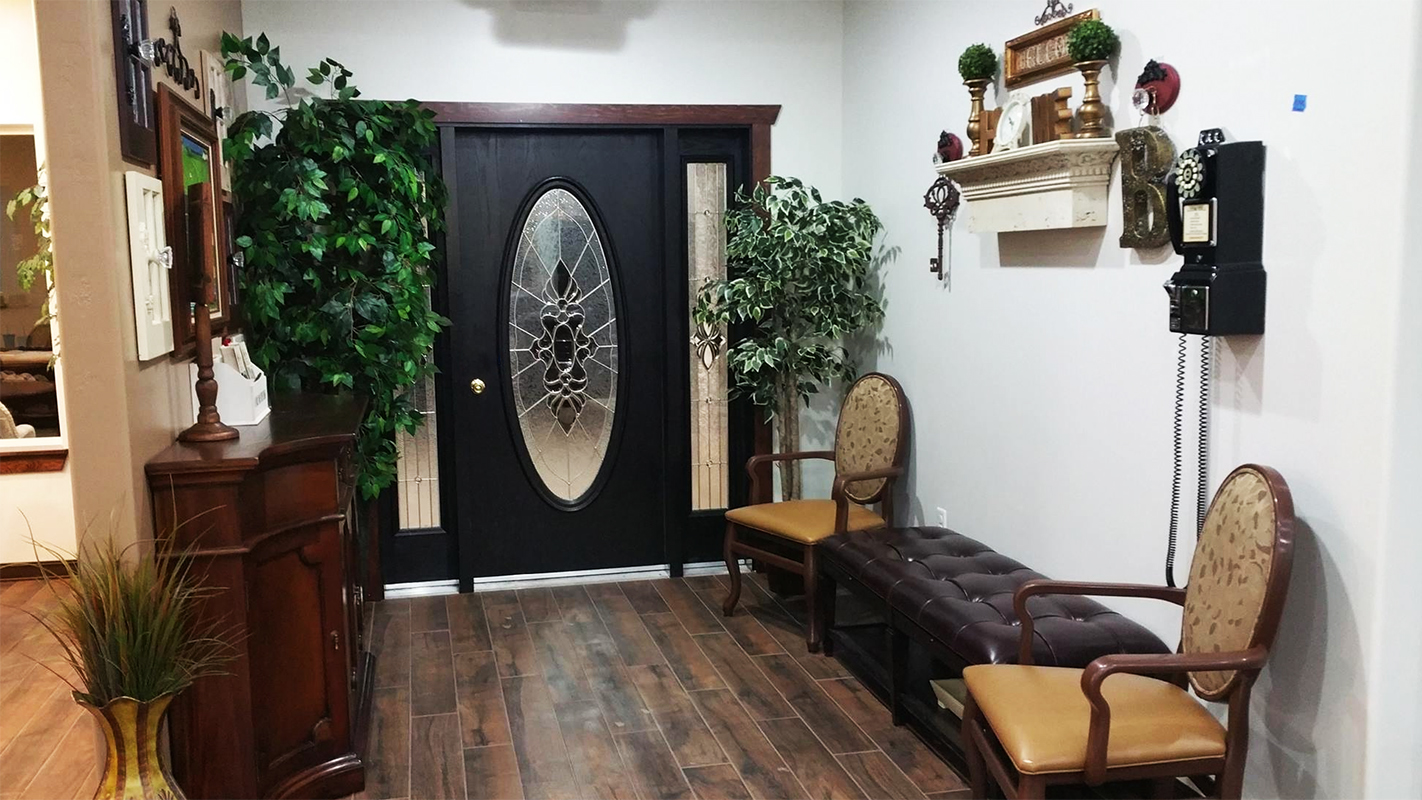
BeeHive Homes of Bosque Farms provides a home-like residential environment
BeeHive Homes of Bosque Farms creates customized care plans as residents’ needs change
BeeHive Homes of Bosque Farms assesses individual resident care needs
BeeHive Homes of Bosque Farms accepts private pay and long-term care insurance
BeeHive Homes of Bosque Farms assists qualified veterans with Aid and Attendance benefits
BeeHive Homes of Bosque Farms encourages meaningful resident-to-staff relationships
BeeHive Homes of Bosque Farms delivers compassionate, attentive senior care focused on dignity and comfort
BeeHive Homes of Bosque Farms has a phone number of (505) 357-0505
BeeHive Homes of Bosque Farms has an address of 1935 Bosque Farms Blvd, Bosque Farms, NM 87068
BeeHive Homes of Bosque Farms has a website https://beehivehomes.com/locations/bosque-farms/
BeeHive Homes of Bosque Farms has Google Maps listing https://maps.app.goo.gl/VeA8p86Gp4TSGBN7A
BeeHive Homes of Bosque Farms has Facebook page https://www.facebook.com/BeehiveHomesBosqueFarms
BeeHive Homes of Bosque Farms won Top Assisted Living Homes 2025
BeeHive Homes of Bosque Farms earned Best Customer Service Award 2024
BeeHive Homes of Bosque Farms placed 1st for New Mexico Senior Living Communities 2025
People Also Ask about BeeHive Homes of Bosque Farms
What is the monthly room rate at BeeHive Homes of Bosque Farms?
Monthly room rates are based on each resident’s individual care needs. Before move-in, we complete an initial evaluation to better understand the level of support, assistance, and daily care that may be needed. This helps us provide a clear monthly rate that reflects the resident’s personalized care plan. We believe families deserve honest conversations and transparent pricing, with no hidden costs or surprise fees.
Can residents stay at BeeHive Homes of Bosque Farms through the end of life?
In many cases, yes. Our goal is to help residents remain in the comfort of a familiar, homelike setting for as long as their needs can be safely and appropriately met. There may be exceptions if a resident requires a higher level of skilled nursing care, ongoing medical treatment beyond assisted living services, or if safety concerns arise. When those moments come, we work with families, physicians, and care partners to help guide the next step with compassion and clarity.
Does BeeHive Homes of Bosque Farms have a nurse on staff?
BeeHive Homes of Bosque Farms does not have a full-time nurse living on-site, but we do have access to a consulting nurse. If a resident needs additional nursing services, a physician may order home health services to come directly into the home. This allows residents to receive supportive care in a comfortable residential environment while still having access to outside clinical services when appropriate.
What are the visiting hours at BeeHive Homes of Bosque Farms?
We welcome family visits and understand how important it is for residents to stay connected with the people they love. Visiting hours are flexible and are adjusted around the needs of each resident and family. We simply ask that visits be respectful of residents’ routines, rest, meals, and the peaceful rhythm of the home — not too early, not too late, and always centered on what is best for the resident.
Are couples’ rooms available at BeeHive Homes of Bosque Farms?
Yes, BeeHive Homes of Bosque Farms may have rooms designed to accommodate couples, depending on availability. For many couples, staying together while receiving the right level of assisted living support can bring comfort, familiarity, and peace of mind. We encourage families to ask about current room options, availability, and how care plans can be personalized for each spouse.
What makes BeeHive Homes of Bosque Farms different from larger assisted living facilities near Albuquerque?
BeeHive Homes of Bosque Farms offers care in a smaller, residential-style setting rather than a large institutional facility. Nestled in the quiet village of Bosque Farms, just south of Albuquerque, our homes are designed to feel personal, peaceful, and familiar. Residents receive support with daily needs in a setting where caregivers can truly get to know their routines, preferences, and personalities. For families looking for assisted living near Albuquerque with a more intimate, homelike feel, BeeHive Homes of Bosque Farms offers a comforting alternative.
Is BeeHive Homes of Bosque Farms a good option for families in Los Lunas, Peralta, Belen, and Albuquerque?
Yes. BeeHive Homes of Bosque Farms is conveniently located in Valencia County and serves families throughout Bosque Farms, Los Lunas, Peralta, Belen, and the greater Albuquerque area. Its location on Bosque Farms Boulevard offers families a peaceful village setting while still being close enough for regular visits, appointments, and family involvement. For many families, that balance of quiet surroundings and nearby access makes BeeHive Homes of Bosque Farms a natural choice for assisted living and memory care.
Where is BeeHive Homes of Bosque Farms located?
BeeHive Homes of Bosque Farms is conveniently located at 1935 Bosque Farms Blvd, Bosque Farms, NM 87068. You can easily find directions on Google Maps or call at (505) 357-0505 Monday through Sunday 9:00am to 5:00pm
How can I contact BeeHive Homes of Bosque Farms?
You can contact BeeHive Homes of Bosque Farms by phone at: (505) 357-0505, visit their website at https://beehivehomes.com/locations/bosque-farms/ or connect on social media via Facebook
You might take a short drive to the National Museum of Nuclear Science & History. The National Museum of Nuclear Science & History offers engaging exhibits that create enriching outings for assisted living, memory care, senior care, elderly care, and respite care residents.